
 Shop
Shop Pay Bill
Schweiger Dermatology Group – East Windsorformerly known as Windsor Dermatology
-
59 One Mile Road Ext.
East Windsor, NJ 08520 - (609) 443-4500
- Convenient same day appointments
- Accepting new patients
Office Hours
- Monday: 7:30 am-5:00 pm
- Tuesday: 7:30 am-5:00 pm
- Wednesday: 7:30 am-5:00 pm
- Thursday: 7:30 am-6:00 pm
- Friday: 7:30 am-3:00 pm
- Saturday: Closed
- Sunday: Closed
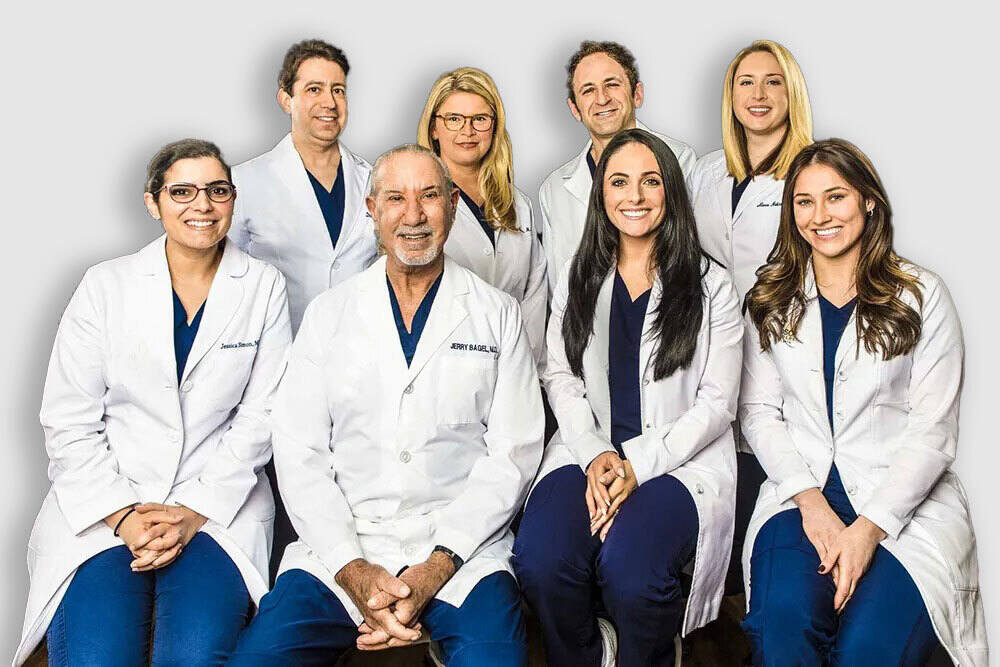




Services Offered at Schweiger Dermatology Group – East Windsor

Medical Dermatology
Our Schweiger Dermatology Group – East Windsor office provides comprehensive medical dermatology services, including the following treatments for the skin: acne and acne scar treatments, eczema, psoriasis, scalp psoriasis, dry skin, rosacea, warts, skin tags and many more.

Psoriasis
Because psoriasis can affect both your health and well-being, it is essential to see a dermatologist for proper psoriasis treatment. Schweiger Dermatology Group – East Windsor has been involved in the research & education of all forms of psoriasis treatment since 1990. Our knowledge and experience in treating psoriasis are unparalleled.

Eczema
Atopic dermatitis - more commonly known as eczema - is a chronic, recurring, itchy rash that usually develops during early infancy and childhood. Schweiger Dermatology Group – East Windsor provides proper diagnosis and a treatment plan to manage your eczema and control flare-ups.

Clinical Trials
Since 1990, Schweiger Dermatology Group – East Windsor has been participating in high-quality clinical trials with leading-edge pharmaceutical companies to improve the health of current and future patients. Our commitment to participating in clinical trials to advance medical dermatology research and treatment benefits both our patients and our physicians.

Cosmetic Dermatology
We provide a wide range of cosmetic services at the Schweiger Dermatology Group – East Windsor office, including laser treatments for wrinkles and aging, dark spots and sun spots, facial rejuvenation, dermal fillers and injectables, body contouring , skin tightening, laser hair removal and more.

Skin Cancer Treatment
Successful treatment for skin cancer depends on early diagnosis. Our dermatology providers at our Schweiger Dermatology Group – East Windsor provide skin exams and skin checks for diagnosing and treating skin cancer.
East Windsor office patient reviews
Best Doctors and amazing staff. I went through 4 different doctors to figure out how to clear my skin… after 2 to 3 visits here, I felt like a new person… was able to feel comfortable in my own skin again!!!”

Everything from making the appointment to the visit itself was easy and quick! Very rare these days in the medical industry. The staff and doctor were all extremely friendly and personable! Overall a very enjoyable experience.

Amazing group that works here always pleasant, smiling and willing to help! Thank you all for being so great and my clear skin!

Directions for
Schweiger Dermatology Group – East WindsorOffice
location_on
59 One Mile Road Ext.,
East Windsor, NJ 08520
Directions for Schweiger Dermatology Group – East Windsor Office
location_on 59 One Mile Road Ext., East Windsor, NJ 08520
Schweiger Dermatology Group provides medical and cosmetic dermatology services to patients of all ages at our East Windsor, NJ location.
We are conveniently located near: Princeton, Robbinsville, Somerset, Newtown, East Brunswick, Bordentown, and more.
-
Directions to Office
Our office is located across from East Windsor Police Headquarters. Next to East Windsor Fire Department.
-
Parking
Parking Available
-
Nearby Locations
-
Public Transportation
~10 min walk from East Windsor Village bus stop
~10 min walk from 9 Princeton Hightstown bus stop
Frequently Asked Questions
-
What services do you offer at Schweiger Dermatology Group - East Windsor office?
Schweiger Dermatology Group – East Windsor, NJ is a dermatology care provider offering treatment and services to address all your skincare needs. Clinical Trials, Eczema and Psoriasis treatments and prevention and treatment of skin cancer is at the heart of what we do. Other dermatological conditions we treat include herpes, psoriasis, rosacea, eczema, acne, genital warts, melanoma, skin cancer, keratosis pilaris, cold sores, warts, skin tags, rashes, and mole removal.
We also offer innovative and advanced treatment options to our patients, including non-surgical skin tightening, advanced placements of injectables, and overall skin rejuvenation. Our dermatology providers are specially trained on the latest and most effective methods in cosmetic dermatology.
-
Does Schweiger Dermatology Group - East Windsor office provide Psoriasis treatment?
We provide Psoriasis treatment at our East Windsor office. Because psoriasis can affect both your health and well-being, it is essential to see a dermatologist for proper psoriasis treatment.
There is no cure for psoriasis. There are several psoriasis treatments that are safe and effective for improving plaque psoriasis, psoriatic arthritis, facial psoriasis, scalp psoriasis, for example, topical therapy, light therapy, biological therapy etc.
-
Which areas is the East Windsor office conveniently located near?
We are conveniently located near: Princeton, Robbinsville, Somerset, Newtown, East Brunswick, Bordentown, and more.
About Schweiger Dermatology Group
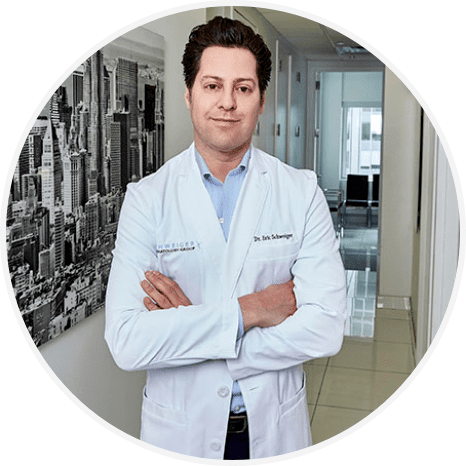
Schweiger Dermatology Group was founded to help make excellent dermatology care accessible throughout the Northeast. In 2010, Dr. Eric Schweiger started the practice with a single location in Midtown Manhattan. When he saw the need for high-quality dermatology care that did not require weeks or months of waiting to see a qualified provider, his vision of a multi-location practice was born.

 Shop
Shop